
Positive workplace behaviors are the observable actions that create respectful, productive, and collaborative work environments. While many companies invest in mission statements and core values, culture actually forms around the behaviors an organization tolerates and reinforces, not just the principles it proclaims. When businesses define clear behavioral expectations, model them consistently, and address violations promptly, they transform abstract values into tangible workplace culture that drives retention, performance, and employee satisfaction.
Key Takeaways
- Positive behaviors—communication, accountability, collaboration, initiative—directly improve productivity and retention
- Managers account for 70% of team engagement variance, making leadership modeling essential
- Well-recognized employees are 45% less likely to leave within two years
- Culture forms around tolerated conduct, not stated values alone
What Are Positive Workplace Behaviors?
Positive workplace behaviors are observable, work-relevant actions that contribute to organizational success and healthy team dynamics. These include executing job duties reliably, helping coworkers beyond minimum requirements, and maintaining constructive interpersonal interactions without undermining others.
The distinction between behavior and attitude matters. Attitudes are internal evaluations: what someone thinks or feels. Behaviors are external actions: what someone does. You cannot mandate how employees feel about their work, but you can define and measure what they do, such as meeting deadlines, listening in meetings, and offering help when it counts.
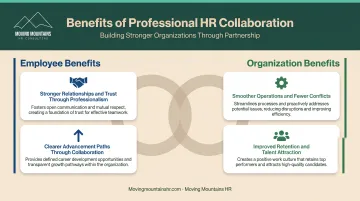
Positive behaviors benefit both employees and organizations:
- Employees build stronger relationships and earn trust through professionalism and accountability
- Consistent collaboration opens clearer paths to advancement
- Teams see smoother operations and fewer day-to-day conflicts
- Organizations improve retention and attract stronger talent through reputation
Focus on observable conduct rather than personality judgments. An employee may face personal challenges but still deliver quality work, communicate clearly, and support teammates. Those actions create value regardless of internal mood.
10 Essential Positive Workplace Behaviors
Professionalism and Reliability
Professionalism means being conscientious, rule-oriented, and consistent in quality, timeliness, and ethical conduct. Employees who demonstrate professionalism:
- Arrive on time for work, meetings, and deadlines without requiring reminders
- Complete assignments thoroughly and accurately before submission
- Honor commitments and communicate proactively when circumstances change
- Follow company policies, dress codes, and industry standards
- Maintain composure and appropriate boundaries in workplace interactions
Example: A project coordinator who delivers status reports by Friday at 3 p.m., flags delays two days ahead, and double-checks deliverables before sharing earns trust fast. Colleagues stop second-guessing timelines, which cuts uncertainty and rework.
Effective Communication
Effective communication requires active listening, clear expression, and appropriate tone. O*NET defines active listening as giving full attention, understanding points being made, asking appropriate questions, and not interrupting at inappropriate times.
Strong communicators:
- Listen without multitasking or preparing rebuttals while others speak
- Ask clarifying questions to ensure understanding before responding
- Express ideas clearly, using specific examples rather than vague generalities
- Adjust tone and channel (email, phone, in-person) to match the message and audience
- Provide timely updates so teammates aren't left guessing
Impact: Google's research on team effectiveness found that structure and clarity (including clear expectations and work processes) were essential conditions for high-performing teams. Clear communication reduces misunderstandings, prevents duplicated effort, and accelerates problem-solving.
Accountability and Ownership
Accountability means taking responsibility for your work, mistakes, and outcomes without blame-shifting. Observable accountability behaviors:
- Admitting mistakes directly instead of deflecting to circumstances or colleagues
- Proposing corrective actions and timelines when problems arise
- Completing assigned tasks without requiring frequent check-ins or reminders
- Tracking your own deadlines and deliverables proactively
- Accepting feedback constructively and implementing changes
Google's Project Aristotle identified dependability—team members reliably completing quality work on time—as one of five key conditions for effective teams. When accountability becomes the norm, teams spend less time managing excuses and more time delivering results.
Collaboration and Teamwork
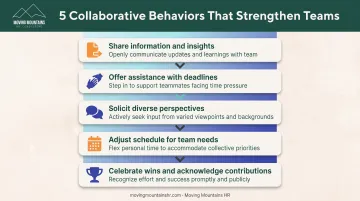
Collaboration involves willingness to help colleagues, share knowledge, and work toward common goals. Examples of collaborative behaviors:
- Sharing relevant information, tools, or insights that help teammates succeed
- Offering to assist a colleague facing a tight deadline or unfamiliar task
- Soliciting diverse perspectives before making decisions that affect the team
- Adjusting your work schedule or approach to align with team needs
- Celebrating team wins and acknowledging others' contributions publicly
Done well, collaboration shrinks silos, spreads knowledge past one person, and builds the kind of reciprocal support that holds up when pressure spikes.
Positive Attitude and Resilience
A positive attitude means maintaining constructive responses, composure, and adaptability when facing challenges. Resilient employees manage stress constructively, persist through setbacks, and view obstacles as problems to solve rather than reasons to give up.
Positive attitude in action:
- Responding to unexpected changes with problem-solving rather than complaints
- Maintaining professionalism and courtesy during high-stress periods
- Encouraging teammates who are struggling instead of amplifying negativity
- Volunteering solutions when discussing problems
- Demonstrating patience with processes, technology, or learning curves
While research shows positive affect is associated with higher performance, the relationship is modest and not definitively causal. Authentic positivity grounded in problem-solving and persistence is valuable; forced cheerfulness that ignores legitimate concerns is counterproductive.
Initiative and Proactivity
Initiative means going beyond minimum requirements, identifying problems before they escalate, and proposing solutions without being asked. Proactive behaviors include:
- Identifying inefficiencies in workflows and recommending fixes
- Volunteering for projects or tasks that stretch your capabilities
- Preparing materials or information in advance of meetings
- Alerting supervisors early when risks or obstacles appear
- Learning new skills that will benefit your role or team
Proactive employees create value beyond their job descriptions. They reduce managerial burden, accelerate improvements, and often become candidates for leadership roles because they think like owners.
Respect and Inclusivity
Respect means treating all colleagues with dignity, valuing diverse perspectives, and practicing empathy. Respectful behaviors:
- Listening fully when colleagues speak, especially those with different viewpoints
- Using inclusive language that doesn't exclude or stereotype groups
- Seeking to understand unfamiliar perspectives before dismissing them
- Addressing conflicts directly and professionally rather than gossiping
- Acknowledging cultural, generational, or stylistic differences without assigning superiority
The EEOC emphasizes that respect is a foundational norm for preventing workplace harassment and discrimination. Organizations can reinforce respect through training, clear policies, and consistent corrective action when violations occur.
Continuous Learning and Growth Mindset
Continuous learning means seeking feedback, developing new skills, and embracing challenges as opportunities. Employees with a growth mindset view setbacks as information rather than failure and actively pursue development.
Learning-oriented behaviors:
- Requesting feedback on performance and acting on suggestions
- Enrolling in training, certifications, or skill-building programs
- Asking questions when you don't understand something rather than guessing
- Experimenting with new approaches and reflecting on results
- Sharing lessons learned with teammates to multiply impact
LinkedIn's 2025 Workplace Learning Report found that 88% of organizations are concerned about retention, and learning opportunities ranked as the top retention strategy. Employees who grow stay engaged; stagnation drives turnover.
Integrity and Ethical Conduct
Integrity means being honest, transparent, and adhering to company values and policies. Employees with integrity protect confidential information, report violations, refuse shortcuts that compromise quality or safety, and uphold ethical standards even under pressure.
Integrity in practice:
- Reporting time, expenses, and work completed accurately
- Escalating compliance concerns through appropriate channels
- Declining requests that violate policy, even from senior leaders
- Safeguarding customer and employee data according to policy
- Being truthful in communications, reports, and documentation
Integrity supports truthful reporting, reliable investigations, and rule adherence. It doesn't eliminate misconduct, but it creates an environment where violations surface quickly and corrective action can occur.
Recognition and Appreciation
Recognition means acknowledging others' contributions, expressing gratitude, and celebrating successes. Employees who recognize peers strengthen relationships, boost morale, and reinforce desired behaviors.
Recognition behaviors:
- Thanking colleagues publicly for specific contributions
- Highlighting teammates' successes in meetings or communications
- Writing thank-you notes or messages that detail what you appreciate
- Nominating peers for awards or advancement opportunities
- Celebrating milestones, project completions, and team wins
Gallup's longitudinal research tracking nearly 3,500 employees found that well-recognized employees were 45% less likely to change organizations after two years. Recognition quality matters—link praise to the specific action, contribution, and value demonstrated.
Why Positive Workplace Behaviors Matter
Impact on Productivity and Performance
Positive behaviors reduce friction, improve efficiency, and increase output quality. When employees communicate clearly, meet deadlines reliably, and help teammates, work flows smoothly with fewer delays, errors, and misunderstandings.
Gallup's research shows the most engaged teams—where positive behaviors are widespread—demonstrate 14% higher productivity and 18% higher sales productivity than the least engaged teams.
These are team-level associations, not proof that any single behavior caused the results. Still, the pattern holds: clear behavior standards show up in individual output, teamwork, and results.
Effect on Employee Retention and Satisfaction
Positive work environments reduce turnover and increase job satisfaction. SHRM's workplace culture research found that workers in positive cultures are almost four times as likely to stay. Only 15% of employees in excellent cultures were actively job-seeking, versus 57% in poor cultures.
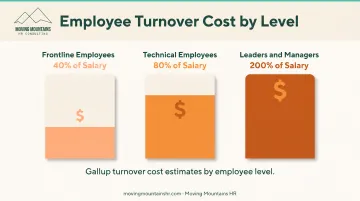
Turnover is expensive. Gallup estimates replacement costs at roughly:
- 200% of salary for leaders and managers
- 80% of salary for technical employees
- 40% of salary for frontline employees
42% of voluntary leavers also believed their organization could have prevented their departure. Recognition, clear communication, and supportive collaboration function as practical retention tools.
Influence on Company Culture and Reputation
Culture forms around tolerated behavior, not stated values. When organizations consistently model, recognize, and enforce positive behaviors while addressing violations promptly, they shape culture through daily actions.
Strong cultures attract talent and customers. In SHRM's research:
- 83% of employees in excellent cultures were motivated to produce high-quality work, versus 45% in poor cultures
- More than 8 in 10 employees in positive cultures would recommend the employer, versus only 4% in unfavorable environments
Observable behavior drives both internal effort and external advocacy—more than posters or value statements ever will.
Connection to Compliance and Risk Management
Behaviors like accountability, integrity, and communication support HR compliance and reduce legal risk. The EEOC's 2023 federal-sector recommendations emphasize leadership accountability, comprehensive anti-harassment policies, prompt and impartial investigations, and corrective action.
Respect, reporting, and accountability act as control behaviors. When employees know how to report concerns, trust the process, and see violations addressed consistently, risks surface early.
Blame-shifting, gossip, and ignored misconduct do the opposite. They normalize violations and raise exposure to harassment claims, discrimination charges, and regulatory penalties.
Negative Workplace Behaviors to Avoid
Counterproductive work behavior (CWB) is intentional employee conduct that works against the organization's legitimate interests. Research groups these behaviors by who they target (people or the organization) and by severity. Common forms include:
- Gossip and rumor-spreading: Misusing information to harm reputations or relationships
- Blame-shifting: Deflecting responsibility for mistakes onto others or circumstances
- Persistent negativity: Belittling colleagues, obstructing work, or refusing to cooperate
- Lack of accountability: Ignoring deadlines, skipping commitments, or denying errors
- Poor communication: Interrupting, withholding necessary information, or refusing to listen
- Slacking or time misuse: Consistently underperforming or misusing work hours
- Harassment or discrimination: Targeting individuals based on protected characteristics
These behaviors rarely stay contained. Ignoring coworkers and slacking slow information flow, push work onto others, and signal that misconduct is acceptable. One employee's chronic negativity can sink team morale, stall collaboration, and push high performers out the door.
Early action matters. Clear policies and prompt corrective action stop toxic norms before they take root. Culture forms around what leaders tolerate: ignored misconduct becomes the new standard.
How Organizations Can Foster Positive Workplace Behaviors
Organizations cultivate positive behaviors through leadership modeling, clear expectations, recognition, feedback, and accountability. Moving Mountains HR works with small and mid-size businesses to turn those levers into practice—through culture assessments, behavioral standards, policy development, performance management support, and training.
Effective strategies include:
Translate values into observable standards
- Define specific behaviors such as dependability, cooperation, initiative, integrity, active listening, and continuous learning
- Include behavioral expectations in job descriptions, employee handbooks, and performance evaluations
- Use concrete examples so employees understand what "professionalism" or "collaboration" looks like in practice
Model and discuss behaviors frequently
- Leaders must demonstrate the conduct they expect; employees watch what leaders do, not just what they say
- Gallup research shows managers account for at least 70% of team-level engagement variance
- Hold weekly one-on-one conversations covering goals, recognition, collaboration, and strengths
Recognize specific conduct
- Link praise to the action, contribution, and value demonstrated: "Thank you for staying late to help the finance team meet the audit deadline—your collaboration kept us on track"
- Make recognition systematic rather than occasional; quality matters more than frequency
- Use public acknowledgment, written notes, and formal awards to reinforce desired behaviors
Provide constructive feedback carefully
- Research from CIPD notes that feedback can raise performance—or hurt it—when delivery is vague, late, or personal
- Train managers to deliver specific, timely, and balanced feedback that focuses on behavior, not personality
- Build manager capability rather than assuming more feedback is always better
Create policy and response infrastructure
- Develop comprehensive anti-harassment policies, clear reporting channels, and investigation procedures
- Ensure prompt, thorough, and impartial response to complaints
- Apply corrective action consistently when violations occur
- Policy audits and custom documentation help lock these frameworks in so managers aren’t improvising under pressure
Train for capability
- Offer leadership development, communication skills, conflict resolution, and respectful-workplace training
- Use practical tools and real-world scenarios tailored to your industry and culture
- Deliver programs virtually or in-person through workshops, coaching, or leadership series
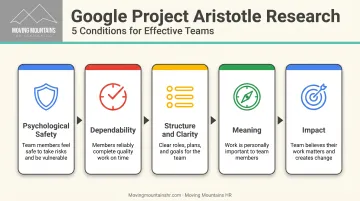
Example: Google's Project Aristotle studied teams of 3 to 50 people and found that how members worked together mattered more than who was on the team. Five conditions stood out:
- Psychological safety
- Dependability
- Structure and clarity
- Meaning
- Impact
Google’s practical moves—admit fallibility, ask questions, solicit input, clarify responsibilities, and communicate goals—show how clear behavioral expectations drive team effectiveness.
Frequently Asked Questions
What are some examples of positive behaviors at work?
Common examples include clear communication, owning mistakes and commitments, helping teammates and sharing knowledge, meeting deadlines and following policies, and treating colleagues with dignity.
What are the four types of workplace behavior?
They are task performance (doing required job duties), organizational citizenship behavior (extra helping and persistence), counterproductive work behavior (actions that harm the organization or people), and interpersonal behavior (how you communicate, support, or handle conflict with others).
How do positive workplace behaviors improve company performance?
They raise productivity by cutting friction and errors, lower turnover through a supportive culture, improve teamwork and information flow, and reduce risk through accountability. Those gains compound into stronger business results over time.
What is the difference between positive and negative workplace behaviors?
Positive behaviors—reliability, clear communication, helping others, and integrity—build a healthy, productive environment. Negative behaviors like gossip, blame-shifting, and lack of accountability erode morale, trust, and team effectiveness.
How can managers encourage positive workplace behaviors?
Lead by example, set clear behavioral expectations, recognize specific actions and outcomes, give constructive feedback, enforce accountability consistently, and hold regular check-ins on goals, collaboration, and strengths.
What should I do if a coworker exhibits negative workplace behaviors?
Focus on the specific action and its work impact, not assumed attitudes. Address minor issues directly and professionally. Escalate persistent, discriminatory, harassing, or safety-related conduct through HR or management—and keep your own conduct professional.